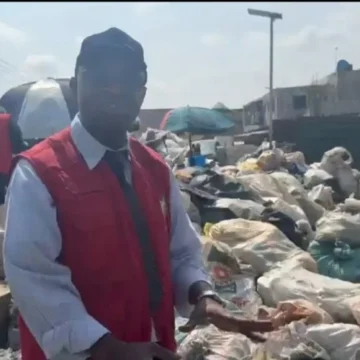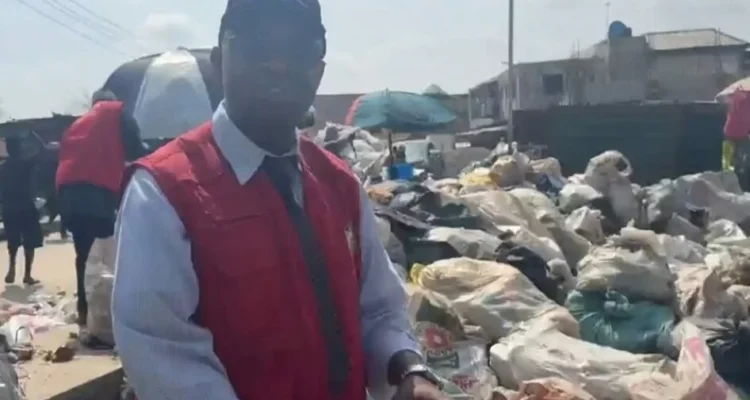
LAGOS, Nigeria — Operatives of the National Agency for Food and Drug Administration and Control (NAFDAC) have confiscated and destroyed more than 50,000 empty, customised alcoholic beverage bottles uncovered at an illegal stockpile in the Iyana Oba axis of Lagos State, dealing a decisive blow to a major supply chain used by counterfeit drink syndicates ahead of the year-end festivities.
The intelligence-led enforcement operation, executed by NAFDAC’s Investigation and Enforcement Directorate and announced on Monday, November 16, 2026, targeted a secluded warehouse facility suspected of aggregating, washing, sorting, and distributing branded empty containers to illicit alcohol producers across the South-West and neighbouring regions.
According to regulatory officials, the recovered bottles bore the distinct embossing, trademarks, and labels of high-demand local and international spirits, including Jack Daniel’s, Johnnie Walker Red Label, Johnnie Walker Blue Label, Hennessy, William Lawson’s, Lord’s Dry Gin, and Action Bitters.
Beyond the massive cache of packaging materials, NAFDAC operatives also uncovered a large drum containing raw ethanol inside the premises. The discovery heightened regulatory alarm that active chemical mixing, adulteration, and illicit bottling of toxic alcoholic beverages were taking place directly on-site under unhygienic conditions.
In an official statement detailing the raid, the regulatory body explained that the immediate physical destruction of the seized containers was carried out to permanently eliminate the risk of the packaging materials finding their way back into the illicit market.
“NAFDAC Investigation and Enforcement officers discovered a large stockpile of empty customised bottles at Iyana Oba, Lagos State, allegedly supplied for use by counterfeiters,” the agency stated. “The bottles bore the brands of several alcoholic beverages, including Jack Daniel’s, William Lawson’s, Johnnie Walker Red Label and Blue Label, Action Bitters, Lord’s Dry Gin and Hennessy. Raw ethanol was also found in a drum at the location, raising concerns about possible illegal production of alcoholic beverages.”
Enforcement investigators noted that illicit alcohol syndicates operate a structured underground economy. Middlemen and scavengers routinely collect discarded branded bottles from event centres, nightclubs, lounges, and waste dumps before transporting them to illegal hubs like the Iyana Oba facility. At these warehouses, the bottles are washed, fitted with cloned security seals and counterfeit labels, and refilled with unwholesome mixtures of raw ethanol, industrial flavourings, and untreated water before being sold to unsuspecting consumers as genuine premium spirits.
Public health experts and regulatory officials have repeatedly warned that the consumption of adulterated spirits poses severe, life-threatening dangers. Unregulated ethanol mixtures—often contaminated with methanol or toxic chemical impurities—can cause acute organ failure, permanent blindness, neurological damage, and sudden death.
The timing of the Iyana Oba raid underscores NAFDAC’s intensified nationwide surveillance as the ember months peak toward the December holiday season—a period historically characterized by a surge in social gatherings, weddings, hospitality patronage, and heightened counterfeiting activity across Nigeria’s major commercial centres.
Over the past year, NAFDAC has stepped up raids across major markets in Lagos, Aba, Onitsha, and Kano, shutting down illegal factories manufacturing fake wines, spirits, and herbal bitters while prosecuting offenders under the Counterfeit and Fake Drugs and Unwholesome Processed Foods (Miscellaneous Provisions) Act.
Following Monday’s destruction exercise, the agency issued a stern warning to bottle merchants, warehouse operators, and commercial syndicates against the hoarding, washing, or resale of branded beverage containers.
NAFDAC further appealed to hospitality operators, lounge managers, event planners, and everyday consumers to adopt the habit of smashing or defacing empty spirit bottles immediately after consumption to render them unusable for counterfeiters. Residents were also urged to remain vigilant when purchasing alcoholic beverages—by inspecting security seals, batch numbers, and label print quality—and to promptly report suspicious bottling operations or illicit warehouses to the nearest NAFDAC office.