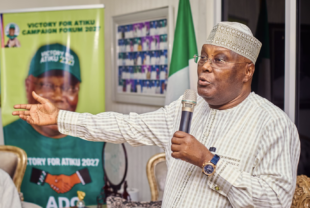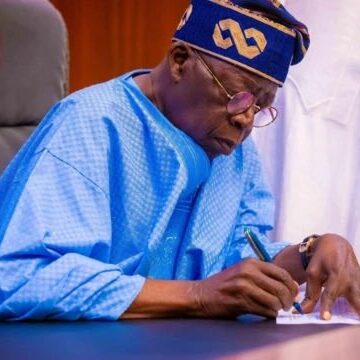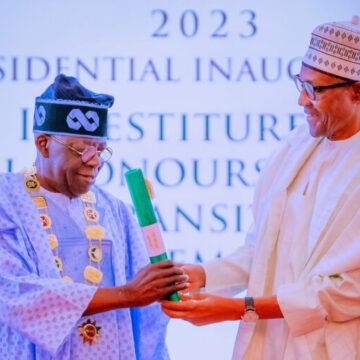
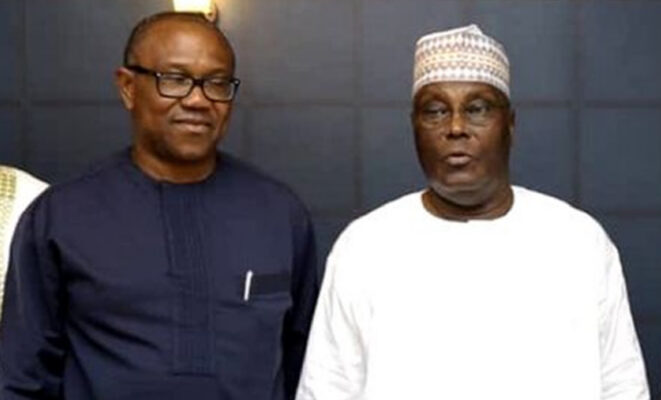
The opposition political movement, The Big Tent Coalition, has issued an urgent appeal to former Vice President Atiku Abubakar, former Anambra State Governor Peter Obi, and other leading opposition presidential contenders to set aside individual ambitions and rally behind a single consensus candidate ahead of the January 16, 2027 presidential election. Delivered on Thursday, November 19, 2026, in reports carried by major national dailies including The Punch, the coalition warned that entering the 2027 contest with a fractured opposition front risks handing President Bola Ahmed Tinubu and the ruling All Progressives Congress (APC) an effortless path to a second term.
The intervention by The Big Tent—a prominent political coalition led by political economist Professor Pat Utomi—comes less than two months before Nigerians head to the polls and days ahead of a crucial opposition alliance summit scheduled for Monday, November 23, 2026, at the NAF Conference Centre in Abuja. According to coalition organisers led by opposition chieftain Salihu Lukman, the November 23 gathering will bring together six political parties—the African Democratic Congress (ADC), Nigeria Democratic Congress (NDC), Peoples Democratic Party (PDP), Peoples Redemption Party (PRP), Social Democratic Party (SDP), and Allied Peoples Movement (APM)—alongside their presidential flagbearers and elder statesmen including Professor Ango Abdullahi and the Alaago of Kajola Alago, Oba Oladipo Olaitan, to adopt a joint reform programme and sign a unity framework.
Despite months of behind-the-scenes negotiations led by groups such as The Big Tent and the G100 coalition, achieving a single opposition ticket has remained elusive due to deep-seated rivalry and mistrust among the principal camps.
Atiku Abubakar, who emerged as the presidential candidate of the ADC, and Peter Obi, who is contesting on the platform of the NDC alongside running mate Rabiu Musa Kwankwaso, have both maintained nationwide campaign structures while their supporters publicly clash over who should step down.
Just days ago, NDC chieftains insisted that Obi would not step down for Atiku or any other aspirant, while allies of Atiku and other contenders—including Social Democratic Party standard-bearer Adewale Adebayo and Young Progressives Party candidate Peter Agada—have continued to press their own electoral viability.
Political analysts and coalition strategists point to the outcome of the 2023 presidential election as a stark warning of what happens when opposition votes are split across multiple major contenders.
In their latest appeal, Big Tent leaders stressed that voters struggling with inflation, elevated fuel prices, and economic pressures are demanding a credible, unified alternative capable of pooling regional strengths across the North, South-East, South-South, and South-West rather than competing against one another.
The group urged opposition principals to place national rescue above personal political calculations and establish transparent criteria—such as nationwide polling, electoral reach, and regional balance—to select one consensus flagbearer before campaign momentum locks in permanently.
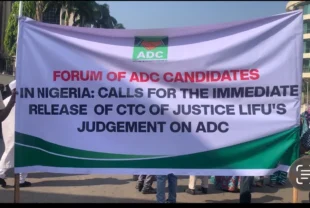
Meanwhile, the push for opposition cohesion unfolds alongside shifting regional endorsements and pre-election legal hurdles. While Atiku’s ADC candidacy remains listed by the Independent National Electoral Commission (INEC) pending appellate review of a leadership suit, Obi and Kwankwaso received a fresh boost on Thursday from the National Youth Leader of the Middle Belt Forum, Emmanuel Zopmal, who rejected a purported regional endorsement of President Tinubu and declared support for the NDC ticket.
With the November 23 Abuja summit fast approaching and the January 16, 2027 election date drawing closer, Monday’s high-stakes meeting will test whether Atiku, Obi, and their counterparts can forge a binding consensus pact or head into the decisive stretch of the campaign divided.