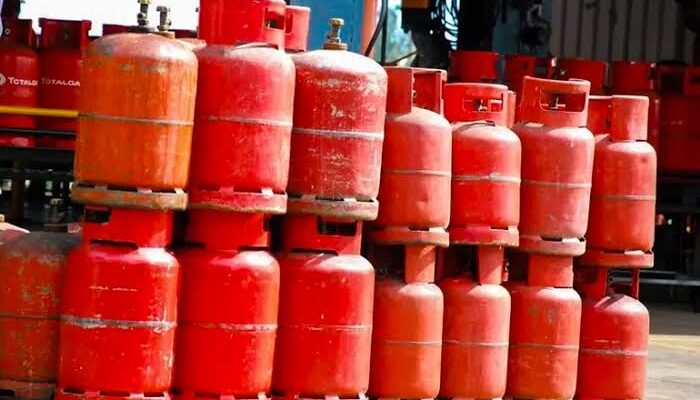
Nigerians are facing fresh increases in the cost of cooking gas, with retail prices rising to as much as N1,800 per kilogramme in Abuja and N1,650 in parts of Lagos and Ogun states, following a sharp increase in depot prices.
The latest price adjustments, observed at several retail outlets on Thursday, November 12, have increased the financial burden on households and small businesses that depend on liquefied petroleum gas (LPG) for cooking.
Findings by TheCable showed that the price of cooking gas at Techno Oil outlets in Festac, Lagos, increased from N1,450 to N1,650 per kilogramme.
At NipCo retail stations in First Gate and the Trade Fair Complex, the product rose from N1,280 to N1,480 per kilogramme.
In Ogun State, Ecogas LPG refilling plant in Sagamu increased its price from N1,500 to N1,600 per kilogramme, while Oyejo Gas Station in Shiwun adjusted its rate from N1,450 to N1,650.
Residents in Abuja also experienced higher prices, with retail outlets increasing their rates from N1,700 to N1,800 per kilogramme. NipCo outlets in the Federal Capital Territory sold the product at N1,650 per kilogramme.
The increases followed a 31.8 per cent rise in depot prices, which climbed from N1,100 to N1,450 per kilogramme within one month, putting additional pressure on retailers and consumers.
Explaining the development, a gas expert, Lawal Taofeek, attributed the increase partly to seasonal demand in the international market.
Taofeek said the European winter heating season typically drives up global gas consumption as countries increase supplies for residential and commercial heating.
According to him, the seasonal rise in international demand places upward pressure on gas prices, with consequences for markets that depend on imported supplies and international price movements.
He predicted that the pressure could persist until late December or early January, when the seasonal demand for heating begins to ease.
The latest increase comes amid growing concerns over the affordability and availability of cooking gas in Nigeria, particularly for low- and middle-income households already grappling with rising living expenses.
The development is also expected to affect food vendors, restaurants and other small businesses that rely heavily on LPG, potentially increasing their operating costs and forcing some operators to adjust the prices of their products.
For households using larger cylinders, the financial implications are substantial. At N1,800 per kilogramme, refilling a 12.5kg cylinder would cost N22,500, while a 6kg cylinder would require N10,800.
The rising cost of LPG has continued to raise questions about domestic supply, distribution and the factors influencing retail prices across the country.
With consumers facing different prices depending on their locations and retail outlets, the latest development has renewed attention on the need for stable supply and improved affordability of cleaner cooking energy.