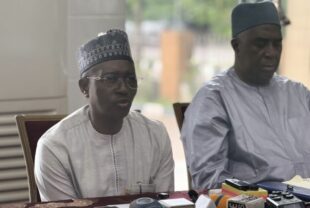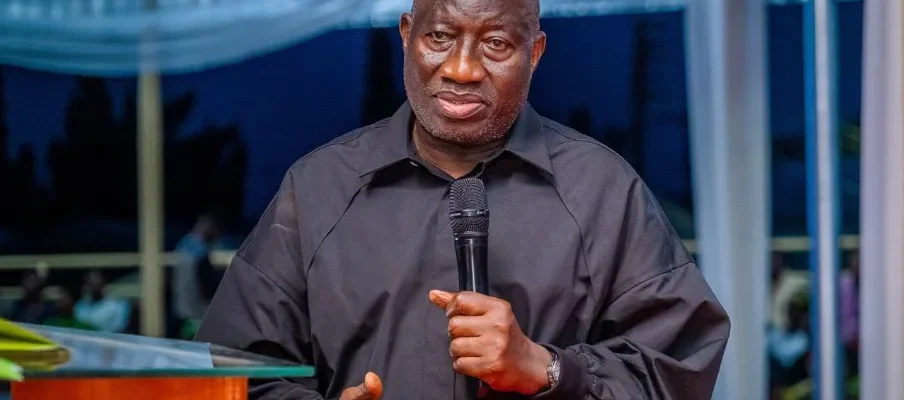
Former President Goodluck Jonathan has sounded a grave warning over escalating political intolerance, thuggery, and inflammatory rhetoric ahead of Nigeria’s 2027 general elections, cautioning that the current trajectory threatens to plunge the nation into severe post-election violence. Speaking on Tuesday in Abuja at the 2026 Goodluck Jonathan Foundation Peace Conference, the former Nigerian leader expressed deep alarm that political parties and campaign teams are increasingly abandoning democratic norms to operate like rival cult groups.
Addressing a gathering of elder statesmen, electoral officials, diplomats, and civil society stakeholders under the theme “Safeguarding Trust and Strengthening Social Cohesion in a Competitive Political Environment”, Jonathan observed that global observers are growing deeply anxious about Nigeria’s stability following next year’s polls. He noted that the pervasive hostility among political actors, coupled with the deliberate recruitment of young people as instruments of intimidation, poses an existential danger to the country’s democratic survival and national unity.
”People are worried all over the world. Among the issues demanding urgent attention is the growing pulse of political intolerance. It is becoming unbearable,” Jonathan declared during his keynote address. “We are running political organisations and campaign teams as cult groups. Cult groups are always rivals; you see the other cult group as an enemy, so you must attack, kill, and maim. That is not politics. We must not manage our political systems as cult groups.”
The former president, widely celebrated across Africa for conceding defeat peacefully after the 2015 presidential election, emphasized that healthy democratic competition relies on persuasive ideas rather than brute force. He warned politicians against sacrificing Nigeria’s fragile social fabric on the altar of personal ambition, stressing that inflammatory language, hate speech, and misinformation only serve to weaponize ethnic and religious fault lines.
”The language of political engagement matters. The conduct of political leaders matters. The responsibility of the media matters,” Jonathan added. “Above all, the choices we make as citizens matter. We must discourage the use of inflammatory language, hate speech, misinformation and divisive narratives that exploit our ethnic, religious and political differences.”
The peace summit, which marks the third edition organized by the Goodluck Jonathan Foundation following previous convenings in 2019 and 2022, comes amid a troubling surge in pre-election skirmishes across several states. Recent weeks have witnessed violent clashes between supporters of rival political blocs, including attacks on campaign convoys and heated accusations traded between the ruling All Progressives Congress and opposition coalitions such as the African Democratic Congress and the Nigeria Democratic Congress.
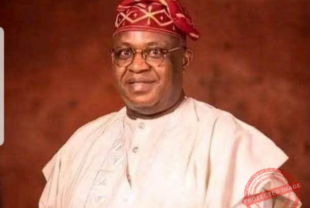
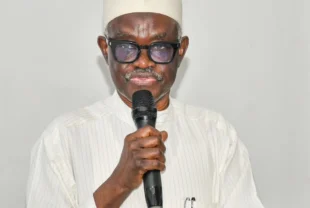
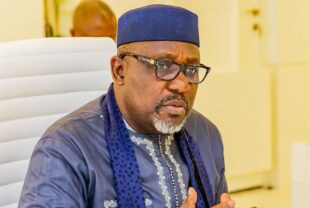
Supporting the former president’s call for restraint, former Vice President Namadi Sambo warned political gladiators that the pursuit of power must never weaken the state institutions tasked with sustaining democratic governance or erode the country’s shared national identity. Similarly, the President of the ECOWAS Commission, Omar Alieu Touray, reminded Nigerian leaders that the nation’s vast population, economic weight, and diplomatic stature mean that the credibility of its 2027 elections carries immense consequences for peace and democratic stability across the entire West African sub-region.
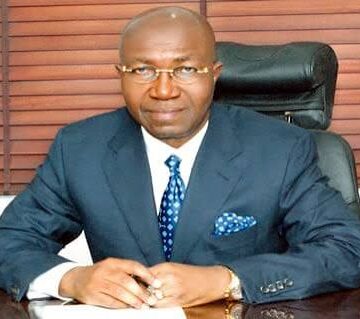
Also speaking at the event through National Commissioner May Agbamuche-Mbu, the Chairman of the Independent National Electoral Commission, Professor Joash Amupitan, acknowledged the lingering trust deficit from previous electoral cycles and vowed that the commission would work with security agencies to ensure the law takes its full course against sponsors of electoral violence. He warned candidates who surround themselves with armed thugs that they would not escape legal accountability.
As political campaigns gather momentum nationwide, Jonathan urged traditional rulers, religious leaders, and voters to reject divisive politics and prioritize competence, national cohesion, and public service when selecting leaders in 2027.