By Mariam Ogeyemhe
Six years after the seismic wave of the #EndSARS movement swept across Nigeria, October 20 remains an unhealing scar on the nation’s collective conscience.
In October 2020, millions of young Nigerians took to the streets across major cities—from Benin City to Abuja, Port Harcourt to Ibadan, and most brutally, Lagos—demanding an end to systemic police brutality, extortions, and extrajudicial executions by the defunct Special Anti-Robbery Squad.
What began as a peaceful, organized cry for fundamental human rights and dignity culminated in a tragic display of state force at the Lekki Tollgate, where peaceful protesters holding the national flag and singing the national anthem were met with live ammunition.
Six years later, the demands of that historic youth-led movement remain largely unanswered, while the right to remember those who paid the ultimate price continues to be met with severe repression.
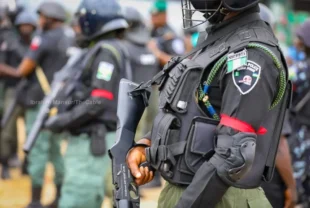
The disturbing events surrounding today’s sixth anniversary memorial serve as a grim reminder of how little has changed. Citizens and human rights activists who gathered peacefully at historic memorial grounds to lay floral wreaths, light candles, and pay quiet tribute to fallen youths were forcibly dispersed with teargas by armed police officers.
Is this right? In a constitutional democracy, can a nation truly claim to respect the fundamental rights of its citizens when even grief and peaceful remembrance are treated as acts of treason?
Section 40 of the 1999 Constitution of the Federal Republic of Nigeria (as amended) explicitly guarantees the right to peaceful assembly and association. Furthermore, Section 39 protects the freedom of expression.
When state security apparatuses systematically deploy teargas, intimidation, and force to break up peaceful memorial processions, it signals a dangerous erosion of democratic space. It sends a chilling message to the over 60 percent of Nigeria’s population represented by its youth: you do not have a voice, and you do not have a say.
Memory is not a crime. Honoring the dead is not an insurrection. The ongoing criminalization of peaceful protests and memorial gatherings directly undermines the social contract between the state and its young citizens. Rather than addressing the root causes that brought young people into the streets six years ago—police impunity, economic hardship, institutional corruption, and bad governance—the state continues to rely on heavy-handed containment strategies that only deepen public distrust.
If Nigeria is to heal and build a democratic future rooted in justice, the government must recognize that suppressing citizen voices through teargas and intimidation is neither sustainable nor democratic. The constitutional rights to assemble, mourn, and express dissent peacefully must be protected without compromise.
The legacy of #EndSARS was built on the resilient belief that Nigeria can be better, fairer, and safer for all its children. Six years after Lekki, the youth of this nation deserve justice, real police reforms, and above all, the sacred freedom to gather and speak without fear.
Mariam Ogeyemhe is the Publisher and Editor-in-Chief of South South Echoes.
You Might Also Like