ABUJA — The Nigerian Senate has moved to curb the lingering trend of emergency patient rejection by hospitals with a bill seeking up to six months imprisonment, a ₦300,000 fine, or both for violating healthcare providers.
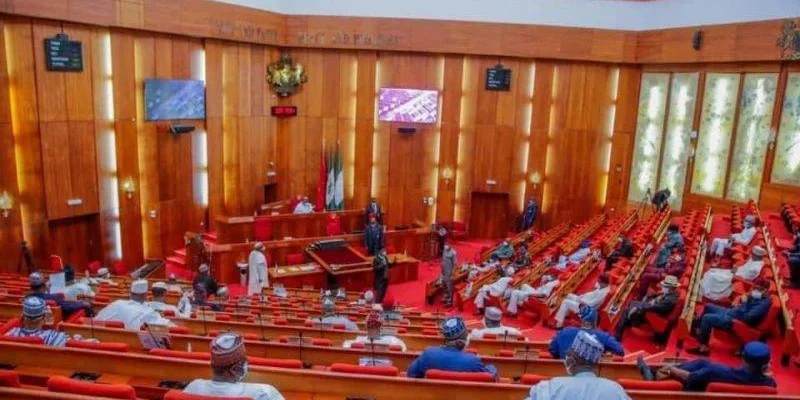
The proposed legislation, sponsored by Senator Abdulaziz Yar’Adua (APC, Katsina Central) during plenary on Wednesday, November 4, 2026, seeks to amend the National Health Act of 2014 to establish binding national emergency treatment standards across all medical facilities.
Presenting the lead debate, Senator Yar’Adua emphasized that the amendment addresses critical loopholes in the nation’s healthcare sector. The bill aims to guarantee that every citizen receives immediate, life-saving care regardless of financial standing, social status, police report demands, or geographical location.
Under the proposed legal framework, healthcare facilities must evaluate and triage emergency patients within 15 minutes of arrival. Initial medical stabilization—such as basic resuscitation, oxygen administration, and pain relief—must commence within 30 minutes, while bed assignments or structured inter-facility transfers must be finalized within two hours.
Supporting the motion, Senate Whip Mohammed Monguno (APC, Borno North) noted that strict statutory penalties are necessary to prevent avoidable deaths resulting from road accidents, medical delays, and obstetric complications.
The bill also mandates the Medical and Dental Council of Nigeria alongside the Nursing and Midwifery Council of Nigeria to design a standardized national emergency care curriculum, requiring mandatory recertification for emergency health workers every 18 months. Following deliberations, the bill passed second reading and was referred to the Senate Committee on Health for further legislative action.
You Might Also Like