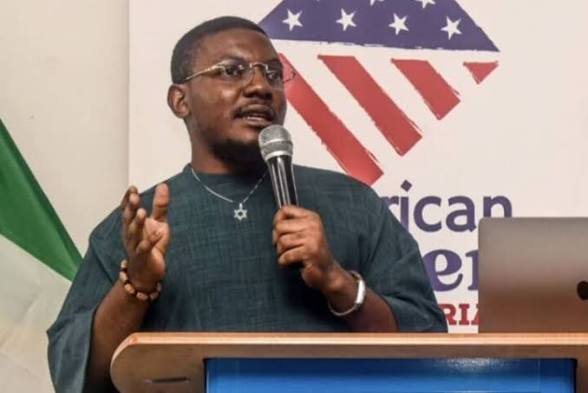
The remand of investigative journalist Daniel Ojukwu at the Kuje Correctional Centre in Abuja has triggered widespread condemnation from media organisations and civil society groups, raising fresh concerns about press freedom and the treatment of journalists in Nigeria.
Ojukwu, a correspondent with the Foundation for Investigative Journalism (FIJ), was remanded by the Federal High Court in Abuja on Tuesday, November 10, following his arraignment on a 12-count charge bordering on alleged cyberstalking and criminal defamation.
Justice Joyce Abdulmalik ordered that the journalist remain in custody until December 1, when his bail application is scheduled for hearing.
The charges arose from investigative reports published by FIJ in 2023 concerning the management of public funds by the Office of the Senior Special Assistant to the President on Sustainable Development Goals, headed by Adejoke Orelope-Adefulire.
The reports questioned payments allegedly made by the office for classroom construction projects in Lagos State, including a reported N147.1m payment to a restaurant company.
Ojukwu pleaded not guilty to all 12 counts.
During the proceedings, his defence counsel appealed to the court to allow him to continue enjoying the administrative bail previously granted by the police, arguing that he had not breached its conditions.
However, the judge declined the request, explaining that the bail application filed on Monday was not yet ripe for hearing.
The decision has attracted criticism from media and human rights organisations, which say the journalist’s continued detention raises questions about the protection of journalists reporting on public accountability.
The Nigeria Union of Journalists (NUJ), the West Africa Editors Society and a coalition of media and civil society organisations have demanded Ojukwu’s immediate and unconditional release.
In a joint statement titled A Dangerous Attack on Press Freedom and Democratic Accountability, the organisations expressed concern over the decision to keep the reporter in custody despite the defence’s request for him to remain on administrative bail.
Amnesty International and the Socio-Economic Rights and Accountability Project (SERAP) have also called for his release, warning that the prosecution could discourage journalists from investigating allegations involving public funds.
The Committee to Protect Journalists (CPJ) has similarly urged Nigerian authorities to drop the criminal charges against Ojukwu and release him unconditionally.
The latest development has revived concerns about the use of Nigeria’s Cybercrimes Act in cases involving journalists and investigative reporting.
Ojukwu was previously arrested in May 2024 over the same reports and spent 10 days in police custody before his release following public protests and pressure from rights advocates.
The case also involves FIJ founder Fisayo Soyombo, who is listed alongside Ojukwu in the charge. The prosecution told the court that Soyombo was at large.
The proceedings have brought renewed attention to the balance between the enforcement of cybercrime and defamation laws and the constitutional protection of freedom of expression and the media.
The next court hearing is scheduled for December 1, 2026.