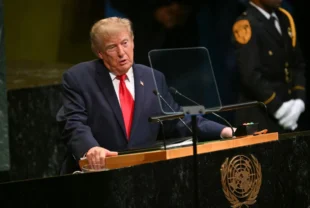
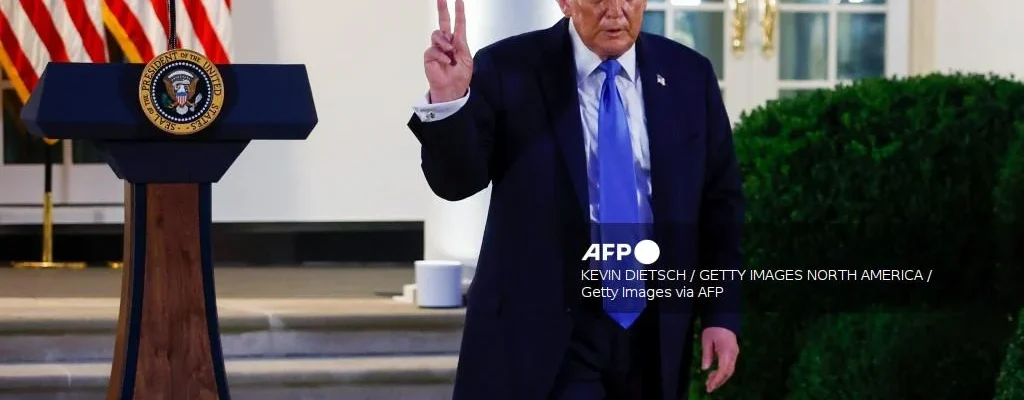
US President Donald Trump announced on Thursday that the United States will not launch military strikes against Iran prior to the November 3 midterm elections, seeking to calm fears of an immediate regional escalation while citing ongoing dialogue with Tehran.
Taking to Truth Social, Trump revealed that Washington is engaged in “productive discussions” with the Iranian government, though he emphasized that economic and naval pressure would remain fully enforced.
”We are having productive discussions with the Islamic Republic of Iran,” Trump wrote. “We will not be attacking Iran at any time prior to the Midterm Elections to be held in the United States on November 3rd.” He added that Iran remains in a severely weakened economic and military position and reaffirmed that Tehran “will not have a nuclear weapon.”
Media Reports Trigger Market & Diplomatic
ReactionTrump’s public statement follows a flurry of international media reports, including accounts by Axios, The Atlantic, and NBC News, which suggested the Pentagon had been tasked with preparing contingency plans for renewed high-intensity strikes on strategic and nuclear sites in Iran prior to election day.
The reports sparked rapid reactions across financial markets, sending Brent crude prices up over 4 percent amid escalating concerns over oil supply disruptions and ongoing security incidents involving tankers near the Strait of Hormuz.
While ruling out pre-election military action, Trump affirmed that the US-led naval blockade targeting energy shipments through the strategic waterway will remain in “full force.”
Political Backdrop and Congressional Stakes:
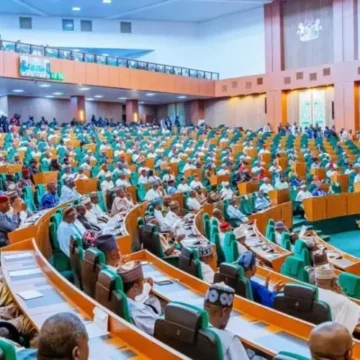
The presidential declaration comes less than a month before crucial Congressional elections on November 3, where control of both the House of Representatives and the Senate remains on the line.
Rising domestic costs of living and volatile global energy prices linked to Middle Eastern tensions have become central campaign issues. While Trump’s declaration removes the prospect of an immediate military offensive before voters head to the polls, foreign policy analysts note it leaves open the possibility of future action after the election, keeping all military and economic pressure options on the table.
You Might Also Like