The Universal Basic Education Commission has unveiled details of a major educational intervention program aimed at reaching 29 million Nigerian children and training over 500,000 primary school teachers across the federation.
The initiative, funded through a 552 million dollar grant from the World Bank and the Global Partnership for Education, is structured to address critical deficits in basic learning and infrastructure.
The project, titled the Human Capital Opportunities for Prosperity and Equality in Education program, will cover more than 65,000 public primary schools and 10,000 non-formal educational setups nationwide.
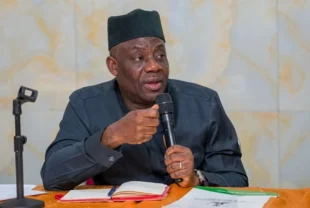
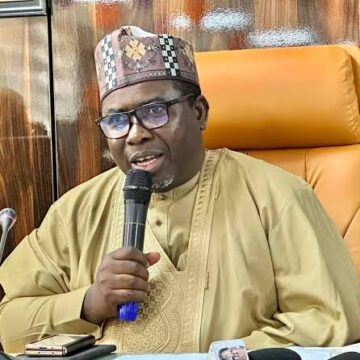
The funding will focus heavily on bolstering foundational literacy and basic arithmetic capabilities among early learners while providing target support to communities with high populations of out-of-school children.Executive Secretary of the Universal Basic Education Commission, Dr. Aisha Garba, explained that the commission is coordinating the rollout across all participating states in close partnership with State Universal Basic Education Boards.
She explained that the intervention incorporates structural pedagogy models to improve classroom delivery and modern instruction techniques for primary educators.In addition to teacher training, the program involves the construction of over 13,000 new classrooms and the renovation of existing facilities to expand enrollment capacity in underserved regions.
The grant funding will be disbursed based on performance benchmarks achieved by state partners, ensuring strict compliance with physical infrastructure and learning outcome targets.
The commission reaffirmed that the multi-million dollar international backing will complement annual federal and state allocations for basic education, insisting that the primary goal remains lowering the number of out-of-school children, improving learning retention rates, and strengthening public school administration nationwide.
You Might Also Like