ABUJA, NIGERIA — The ambitious strategy by major opposition parties to present a united front and field a single consensus presidential candidate to challenge President Bola Ahmed Tinubu in the 2027 general elections has suffered a major breakdown.
Crucial coalition talks aimed at consolidating opposition figures under a unified political ticket have hit a deadlock due to irreconcilable power-sharing disputes, regional leverage calculations, and refusal by key political heavyweights to step down for one another.
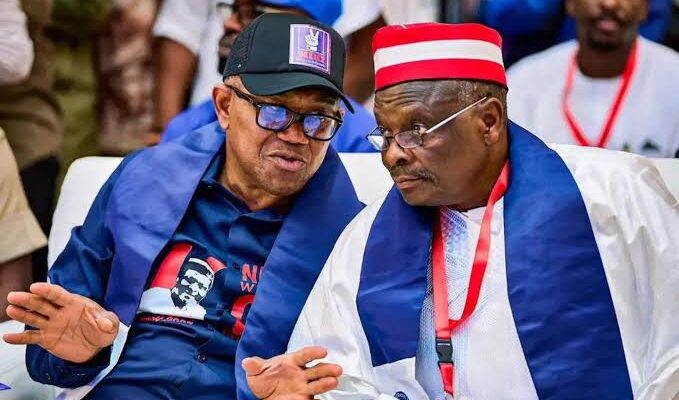
The breakdown in negotiations became evident following recent public declarations by key figures, including former Kano State Governor Rabiu Musa Kwankwaso, who firmly rejected calls to step down or surrender political leadership to other presidential hopefuls like former Vice President Atiku Abubakar or former Rivers State Governor Rotimi Amaechi. The clash in individual ambitions has left major political blocs pursuing separate electoral pathways.
Political analysts note that personal interests, competing regional bases, and disagreement over party leadership platforms have effectively fragmented the opposition camp. Instead of a single consolidated challenger confronting the ruling All Progressives Congress (APC), the electoral landscape has fractured into multiple competing factions.
With the collapse of the single-candidate agreement, opposition leaders appear set to run on separate political party tickets. Political observers warn that a divided opposition field significantly advantages the incumbent administration, as splitting opposition votes across multiple candidates weakens their collective capacity to build a winning majority at the polls in 2027.
You Might Also Like