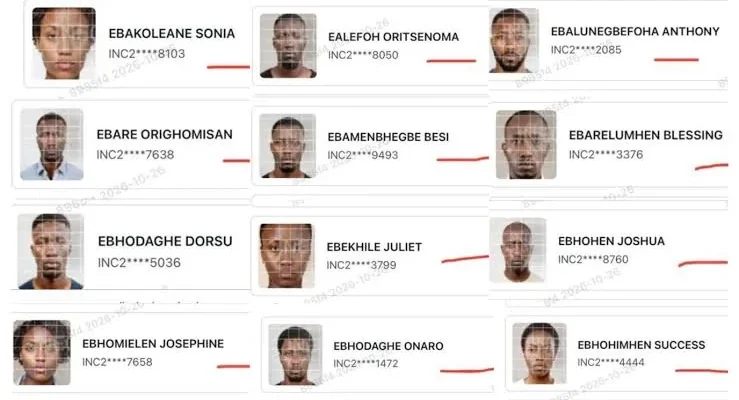
ABUJA, NIGERIA — Authorization credentials assigned to field capture personnel allowed fake profiles and artificial intelligence-generated portraits to breach the preliminary national voter database, the Independent National Electoral Commission (INEC) has disclosed.
The revelation comes amid mounting public outrage after online users auditing the temporary list spotted synthetic faces, duplicated credentials, and flawed registrations across multiple electoral districts.
Addressing the public outcry, the electoral body clarified that the ongoing web release represents a raw, unverified draft published deliberately for public verification rather than the official register.
Detailing how compromised uploads penetrated the system, INEC’s Director of Information and Communications Technology, Paul Omokore Bayode, revealed that officers used legitimate system access to upload unauthorized data.
“Some of these pictures are AI-generated. Some of them are not AI-generated, but very bad registration. And this thing got into the register by the registration officers because they have access to register people,” Bayode explained.
“When the Automated Biometric Identification System (ABIS) was run on the system, we saw these people. We know what they did. We know how they did it. But honestly, I don’t know why,” he added.
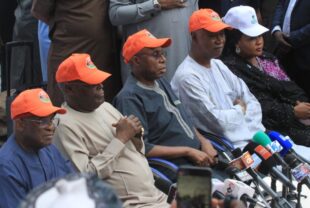
Reassuring voters of a clean final list, the Chairman of INEC’s Information and Voter Education Committee, Mohammed Kudu Haruna, noted that technical audits and preliminary scrubbings are actively progressing.
“The preliminary register is not the final certified Register of Voters. The display exercise was specifically designed to enable citizens to scrutinize the records, identify inaccuracies, and report questionable entries before final certification,” Haruna asserted.
The commission confirmed that comprehensive data cleaning and legal claims adjudication will continue until December 15, when the official, finalized Register of Voters will be published nationwide.
You Might Also Like