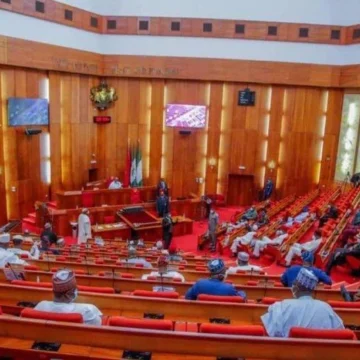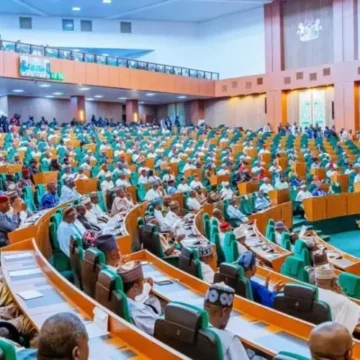

Nigerian federal lawmakers have introduced draft legislation aimed at barring property owners and real estate management firms in the Abuja from demanding excessive upfront rent payments from prospective tenants.
The bill jointly sponsored by parliamentary representatives Paul Nnamchi and Ahmed Doro, seeks to dismantle deeply ingrained real estate practices across the Federal Capital Territory, where property holders routinely compel occupants to settle multiple years or a minimum of 12 months of housing costs prior to taking possession.
The proposed legal framework prohibits property managers and estate agents from collecting more than 12 months of advance rental payments for residential properties.
To prevent circumvention of the restriction, the legislation explicitly restricts property handlers from imposing mandatory service levies, enforcing artificial lease renewals, utilizing third-party intermediaries, or crafting separate auxiliary agreements designed to extract funds beyond the designated 12-month limit.
Under the provisions of the draft bill, an administrative regulatory authority will be established to monitor tenancy conditions, regulate payment schedules, and protect occupants from exploitative commercial demands.
The legislative proposal also stipulates that landlords must provide formal, standardized written agreements before or at the start of any tenancy period, clearly setting out payment terms, contract durations, refundable deposits, and additional valid charges alongside the statutory rights and duties of all parties involved.
While the measure sets a firm legal cap, it allows tenants to voluntarily pay housing fees covering a period longer than one year if they choose to initiate the arrangement themselves without facing coercion, threats, discrimination, or administrative retaliation, provided the terms and financial transactions are fully documented in writing.
Parliamentary sponsors highlighted that the severe upfront payment requirements in the nation’s political headquarters place enormous financial strain on working-class citizens, aligning with broader legislative efforts across major African urban centres to cushion residents against soaring living expenses.
You Might Also Like