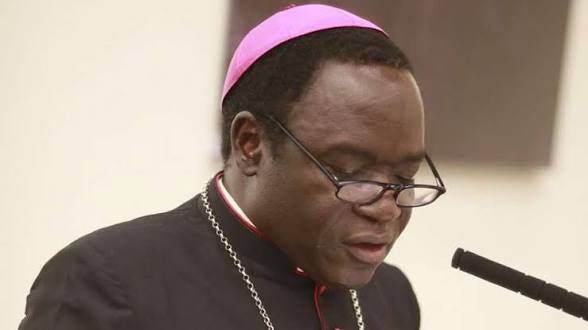
Catholic Bishop of Sokoto Diocese, Most Rev. Matthew Hassan Kukah, has criticised Nigerian politicians for making unrealistic promises during election campaigns, accusing some political leaders of prioritising electoral victories over preparing citizens for the realities of governance.
Kukah said politicians frequently deploy attractive campaign messages, ambitious promises and appealing images to win public support but abandon their commitments after securing political offices, often citing financial and administrative difficulties as excuses.
The cleric made the observations on Thursday in Abuja during a public symposium organised by the National Institute for Legislative and Democratic Studies (NILDS) in collaboration with The Kukah Centre.
The symposium examined political communication, democratic development and the challenges confronting Nigeria’s electoral process ahead of the 2027 general elections.
Illustrating the disconnect between political promises and actual governance, Kukah narrated the experience of a politician who reportedly used impressive images of tarred roads, bridges, beautiful residential buildings and children in well-equipped school uniforms to convince voters during an election campaign.
According to him, the politician eventually won the election, but residents discovered three years later that none of the projects showcased during the campaign had been executed.
When confronted by the people, the politician reportedly dismissed their complaints, telling them that they were confusing campaigning with governance, which he described as a difficult undertaking.
Kukah said the illustration reflected a recurring problem in Nigeria’s political environment, where candidates make attractive promises to secure votes but struggle to translate their campaign commitments into tangible improvements in people’s lives after assuming office.
He particularly criticised politicians who, after taking office, suddenly claim that they were unaware of the financial difficulties confronting government before making their campaign promises.
The bishop observed that elected leaders frequently resort to explanations about empty government treasuries and other administrative challenges instead of taking responsibility for commitments made to the electorate.
He urged Nigerians to become more discerning during election campaigns, stressing that citizens must develop the capacity to question political claims and examine whether proposed programmes are realistic and achievable.
Kukah argued that voters should not allow themselves to be carried away by political messaging without examining the substance behind campaign promises.
He also called for a more informed political culture in which Nigerians assess candidates beyond ethnic, religious and class considerations.
The cleric maintained that citizens must engage political leaders and demand explanations for their actions rather than waiting until after elections before questioning their performance.
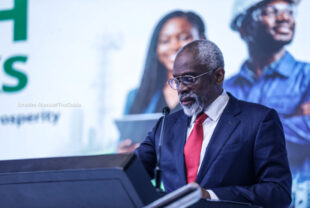
Earlier, former Chairman of the Independent National Electoral Commission (INEC), Professor Attahiru Jega, called on political parties and candidates to prioritise issue-based campaigns and responsible political communication ahead of the 2027 elections.
Jega said addressing Nigeria’s electoral challenges should not be left exclusively to INEC, noting that political parties, government institutions and security agencies also had important responsibilities in ensuring credible elections.
He urged political actors to communicate transparently and avoid messages capable of misleading voters or undermining confidence in the electoral process.
The former INEC chairman further emphasised the importance of timely and credible information from electoral institutions and professional conduct by security agencies.
He called on stakeholders to draw lessons from previous electoral experiences, identify existing weaknesses and develop practical recommendations for improving political communication and safeguarding election security.
The symposium forms part of broader conversations on strengthening democratic institutions, promoting responsible political participation and improving the credibility of Nigeria’s electoral process ahead of the 2027 general elections.