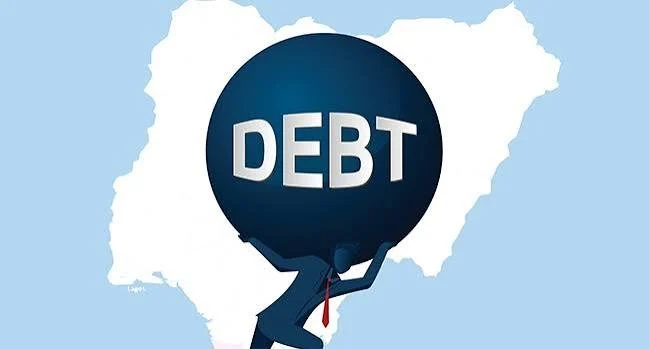
The Federal Government of Nigeria spent N5.28 trillion on domestic debt servicing obligations between January and June 2026, highlighting the growing fiscal pressure imposed by local borrowing costs on the national treasury.
Official debt service metrics released by the Debt Management Office (DMO) reveal that interest and rental payments on domestic debt instruments accounted for the vast majority of the expenditure, totaling N4.95 trillion over the six-month period. The remaining balance of N333.96 billion was allocated toward principal repayments on outstanding local and foreign-currency-denominated promissory notes.
A detailed breakdown of the debt-servicing portfolio shows that conventional federal government securities constituted the primary drivers of the interest burden. Federal Government of Nigeria (FGN) bonds recorded the highest outlay at N3.35 trillion in interest payments, followed by Nigerian Treasury Bills (NTBs), which accounted for N1.49 trillion.
Additional disbursements during the first half of the year included N92.29 billion spent on FGN Sukuk rental obligations, N8.90 billion allocated to FGN Savings Bonds, and N5.56 billion directed toward Green Bond interest settlements. Monthly debt service payments fluctuated throughout the half-year, peaking in March at N1.43 trillion due to synchronized interest maturities and promissory note settlements.
Fiscal policy experts and financial analysts note that the rising domestic debt service requirements continue to absorb a critical share of federal revenues, constraining capital allocation for vital economic infrastructure, public health, and human capital development.
Emphasizing the fiscal dynamics surrounding the national debt profile, the Debt Management Office observed in its official data disclosure:
“Nigeria spent N5.28 trillion servicing domestic debt obligations in the first half of 2026, with interest and rental payments accounting for N4.95 trillion of the total expenditure, reflecting the costs associated with managing domestic securities alongside national development priorities.”
With domestic borrowing costs remaining elevated, economic commentators urge federal fiscal authorities to strengthen revenue generation mechanisms, prioritize debt restructuring options, and enhance spending efficiency to prevent long-term debt distress.
You Might Also Like