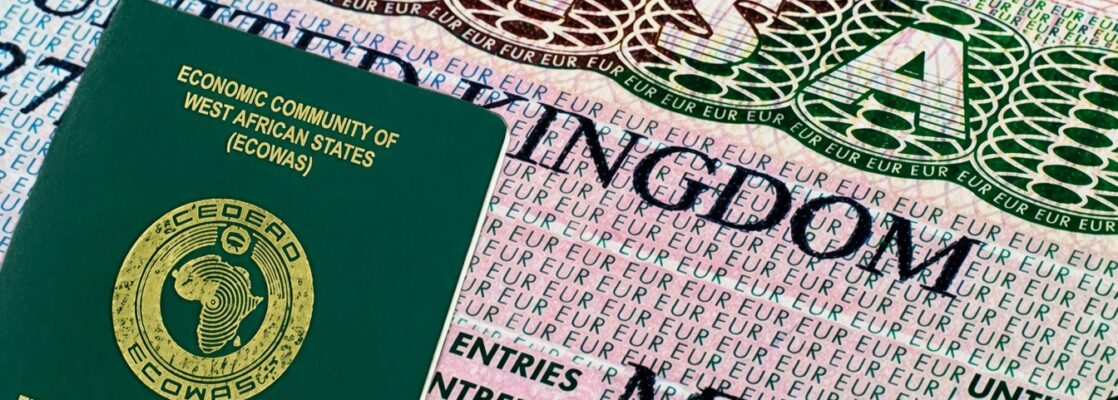
Several higher education institutions in the United Kingdom have begun canceling study offers previously extended to prospective Nigerian candidates following a sharp tightening of immigration scrutiny by British authorities.
The pre-emptive move stems from institutional fears that elevated rejection rates on student visa applications could trigger regulatory penalties, including losing their statutory privileges to enroll international scholars.The policy shift is driven by stringent measures enforced by the Home Office to ensure international recruitment complies with tighter regulatory thresholds.
Under existing guidelines, institutions face intense oversight if their overall visa rejection rate exceeds a five percent ceiling. With British authorities scrutinizing applicants over potential asylum claims via the academic route, university administrators are pulling back to guard against compliance violations.
Industry data highlights a significant escalation in application cancellations during the first half of this year compared to previous figures. Almost half of UK tertiary institutions currently operate near or above the restricted refusal benchmark. As a precaution, admissions offices are scaling down active recruitment across high-scrutiny regions to prevent exceeding the allowed allowance.
Meanwhile, British government representatives maintain that while foreign scholars make vital contributions to the nation’s academic sector, recruitment practices must align with national immigration enforcement. In the interim, affected Nigerian students who had already secured placements remain in limbo, seeking clarity on their academic futures amid the sweeping regulatory enforcement.
You Might Also Like