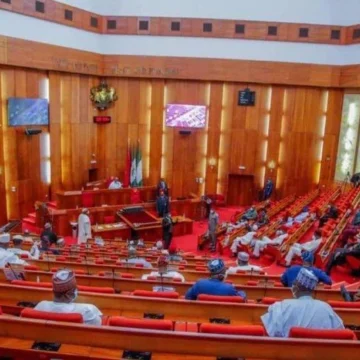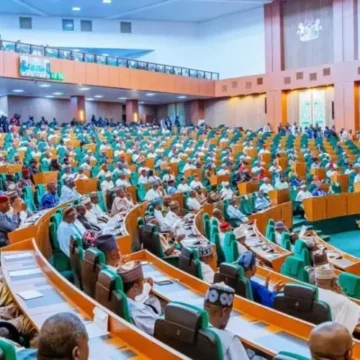
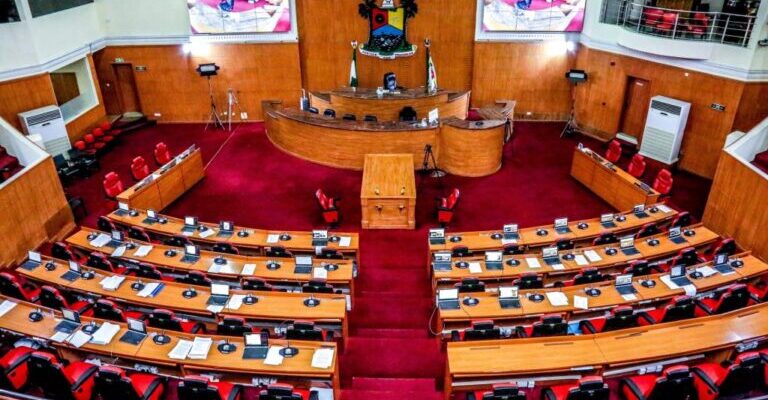
The proposed constitutional amendment seeking the establishment of state police services across Nigeria has crossed the requisite constitutional hurdle, securing endorsement from 28 State Houses of Assembly. The legislative milestone was reached following unanimous ratifications by parliamentarians in Lagos, Kano, Sokoto, and Ebonyi state assemblies.
The formal endorsement by the four additional state legislatures on Tuesday, October 27, 2026, officially elevated the total number of approving state assemblies beyond the statutory two-thirds threshold required for constitutional alterations. Under Section 9 of the 1999 Constitution of the Federal Republic of Nigeria (as amended), any constitutional amendment passed by the National Assembly requires concurrence from at least 24 of the 36 State Houses of Assembly before it can be presented for presidential assent.
Formally known as the Constitution (Sixth Alteration) Bill, 2026, the legislation seeks to decentralize the national security architecture by moving policing from the Exclusive Legislative List to the Concurrent Legislative List. The proposed framework establishes a two-tier policing model, authorizing state governments to create, fund, and operationalize independent state police services alongside the existing Nigeria Police Force.
Under the legislative framework presented during plenary sessions across the state assemblies, federal police jurisdiction will remain focused on national threat vectors, including terrorism, cross-border crime, cybercrime, maritime security, and the protection of critical national infrastructure. Conversely, state police commands will handle local public order, community intelligence gathering, regional crime prevention, and state-level law enforcement duties under the operational direction of state police commissioners.
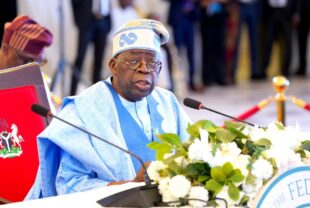
Following the formal passage by the required number of state legislatures, clerks of the respective state assemblies are expected to transmit validated clean copies of the approved clauses back to the National Assembly before the end of the week. Upon harmonization, the joint leadership of the Senate and the House of Representatives will forward the landmark constitutional amendment bill to President Bola Tinubu for executive assent and subsequent enactment into law
You Might Also Like