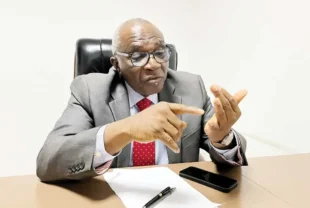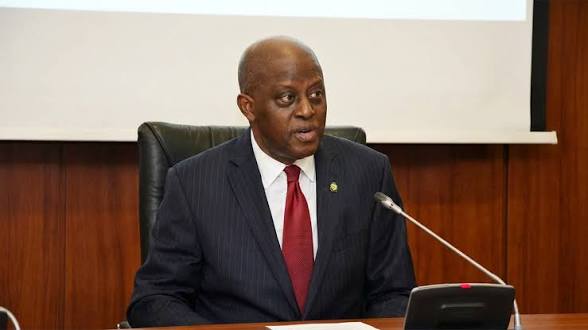
Governor of the Central Bank of Nigeria (CBN), Olayemi Cardoso, has stated that the country’s economic challenges forced monetary and fiscal authorities to adopt creative revenue strategies, stressing the urgent need to diversify foreign exchange earnings away from crude oil dependency.
Speaking during a high-level panel at the ongoing 2026 International Monetary Fund (IMF) and World Bank Group Annual Meetings in Bangkok, Thailand, the apex bank chief outlined Nigeria’s ongoing structural reforms aimed at building long-term macroeconomic resilience.
Cardoso highlighted that policy interventions focusing on clearing legacy foreign exchange backlogs, boosting diaspora remittances, and restoring investor confidence have begun yielding measurable stability. He noted that monthly diaspora remittances rose sharply from approximately $200 million to nearly $950 million through structured regulatory frameworks and improved market transparency.
Addressing industrial diversification, Cardoso pointed to major domestic assets, particularly the Dangote Refinery, as transformational investments designed to shift the national economy toward value addition, curtail refined petroleum import bills, and conserve foreign exchange reserves.
“When you are going through a crisis, it forces you to be creative. We need to sustain our current momentum and demonstrate to the world through concrete actions that structural change is underway in Nigeria,” Cardoso stated during the global briefing.
The CBN Governor further affirmed that coordinated monetary policies have restored external credibility, enabling the Nigerian Government to re-enter benchmark financial indices, including FTSE and J.P. Morgan sovereign bond trackers.
“It is not enough to simply state that things have changed; our economic performance numbers must speak for themselves. The return of international investor confidence reflects our commitment to transparent policy execution,” he added.
Financial analysts at the Bangkok summit commended the apex bank’s strategic shift toward non-oil liquidity buffers, emphasizing that sustained remittance inflows and domestic refining capacity remain crucial safeguards for West African currency stability.
You Might Also Like