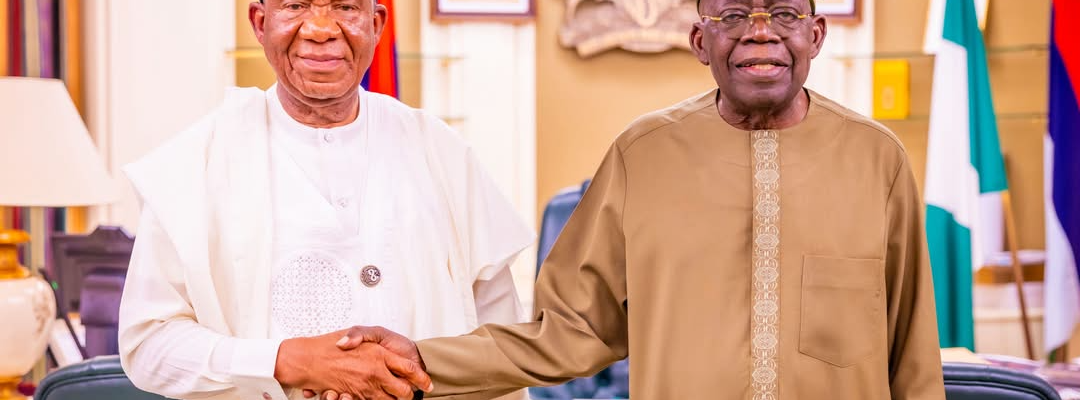
President Bola Ahmed Tinubu has reaffirmed his administration’s determination to fully unlock Nigeria’s vast natural gas reserves, positioning the resource as the primary driver to stimulate domestic industrial activity, solve persistent electricity generation shortfalls, generate high-skilled jobs, and boost national foreign exchange earnings.
In an official statement issued in Abuja by the Special Adviser to the President on Information and Strategy, Bayo Onanuga, the Nigerian leader emphasized that expanding major gas transmission infrastructure across the country remains a non-negotiable priority aimed at shifting West Africa’s largest economy away from traditional reliance on raw crude exports toward a gas-powered industrial model.
Central to the president’s policy stance is a directive urging multinational energy corporations and international oil producers operating within Nigeria to deepen commercial ties with competent indigenous engineering and fabrication firms.
According to the presidential media aide, Tinubu stressed that his administration’s economic blueprint mandates that domestic capability building must move beyond high-level policy declarations into measurable execution, ensuring that qualified local contractors receive major engineering, procurement, and construction contracts for critical gas processing and distribution infrastructure.
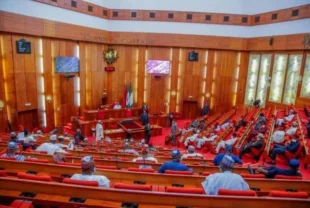
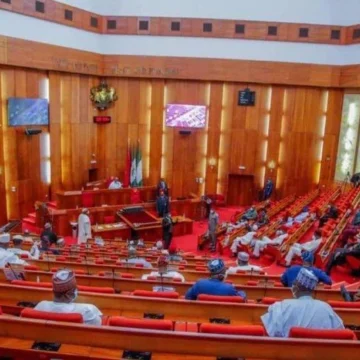
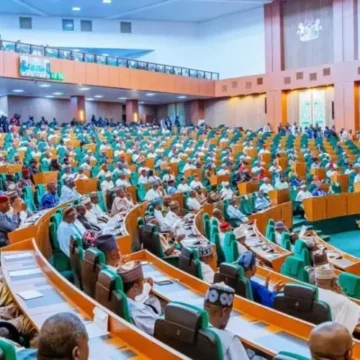
The legislative and policy push aligns with ongoing major energy projects designed to expand regional pipeline capacity by billions of cubic feet daily while boosting supplies across West Africa via cross-border energy corridors.
Industry leaders and domestic engineering operators commended the government’s stance, noting that indigenous fabrication yards across the Niger Delta have invested heavily in high-end machinery and technical talent. Stakeholders pointed out that retaining high-value engineering contracts locally will keep critical capital, technical expertise, and employment within African borders rather than continually offshoring major infrastructure spending to foreign contractors.
You Might Also Like