The Nigerian Senate has passed for a second reading a milestone legislative bill seeking to decriminalize attempted suicide, proposing to replace criminal prosecution with mandatory psychiatric care and psychological rehabilitation for survivors across the nation.
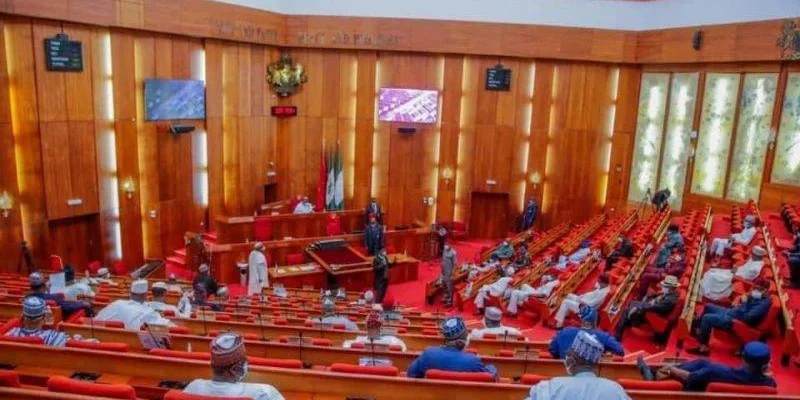
The legislative milestone followed an extensive plenary debate on Tuesday at the National Assembly complex in Abuja. The proposed legislation, titled the Criminal Code Act (Amendment) Bill 2026, was sponsored by Senator Sadiq Umar (APC, Kwara North), who advocated for a humane, medical-first approach to mental health crises rather than penal punishment.
Leading the lead debate on the floor of the upper chamber, Senator Umar emphasized that individuals who attempt suicide are dealing with severe medical, emotional, and psychosocial distress requiring compassionate intervention rather than incarceration. He noted that Section 327 of the existing Criminal Code—which currently penalizes attempted suicide with up to one year imprisonment—is outdated, counterproductive, and discourages victims from seeking timely professional help.
Under the key provisions of the amended framework, law enforcement agencies and judicial officers will be legally required to direct survivors of suicide attempts to accredited public health facilities, counseling centers, and mental health institutions for clinical evaluation and rehabilitation. The bill also establishes protocols to ensure confidentiality, reduce social stigma, and guarantee affordable mental healthcare access for affected citizens.
Contributing to the debate, several lawmakers across party lines strongly endorsed the bill, highlighting that modern healthcare systems globally view self-harm as a critical public health issue rather than a criminal offense. They argued that reforming the law aligns Nigeria’s legal system with international human rights standards and modern psychiatric practices.
Following its successful second reading, Deputy Senate President Jibrin Barau, who presided over the plenary session, referred the bill to the Senate Committee on Judiciary, Human Rights and Legal Matters for further legislative action. The committee is expected to conduct public hearings and submit its comprehensive report within four weeks for final consideration.
You Might Also Like